Product Description
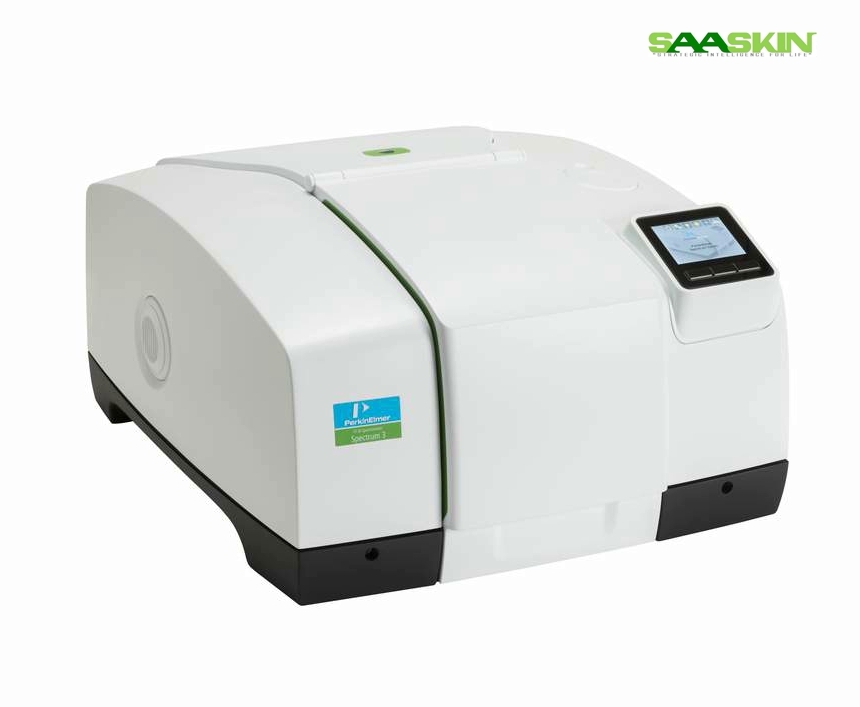
Brand PerkinElmer
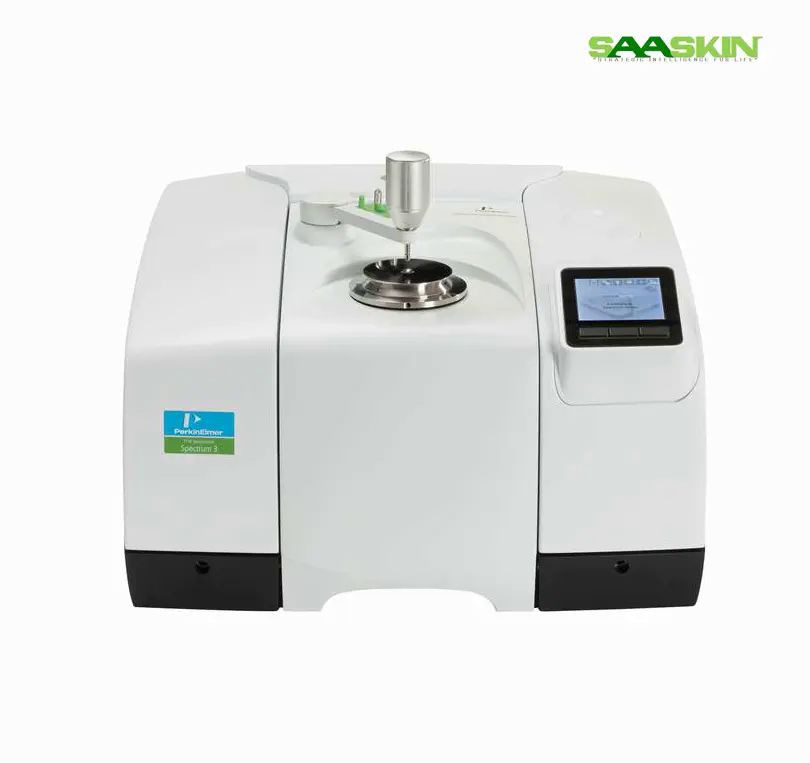
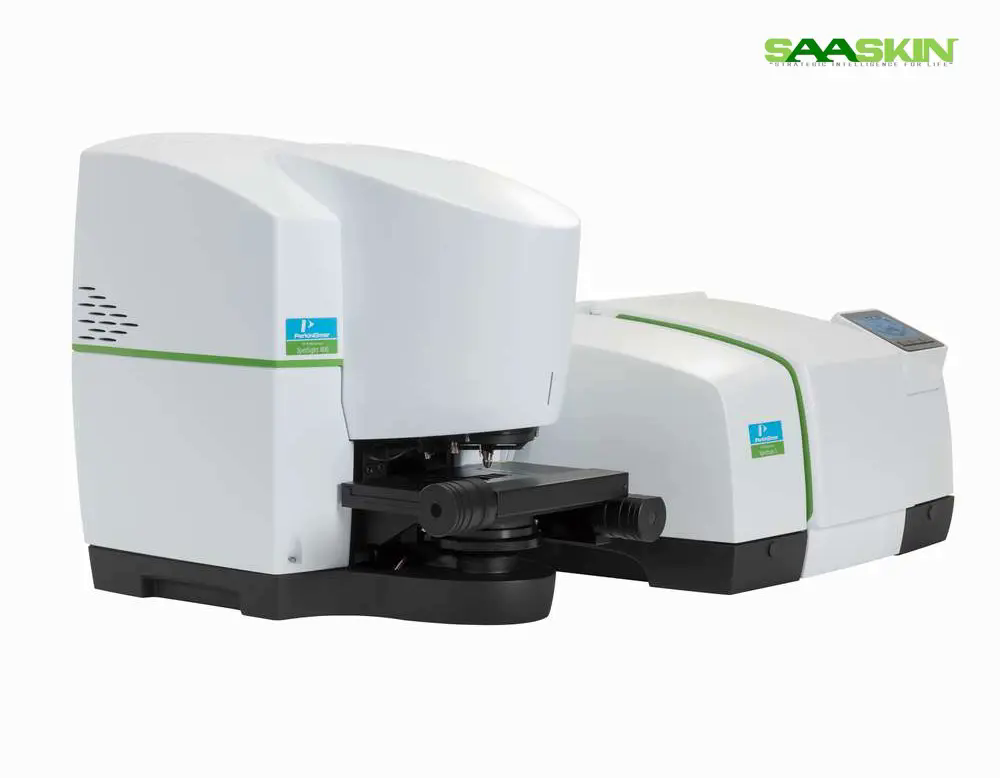
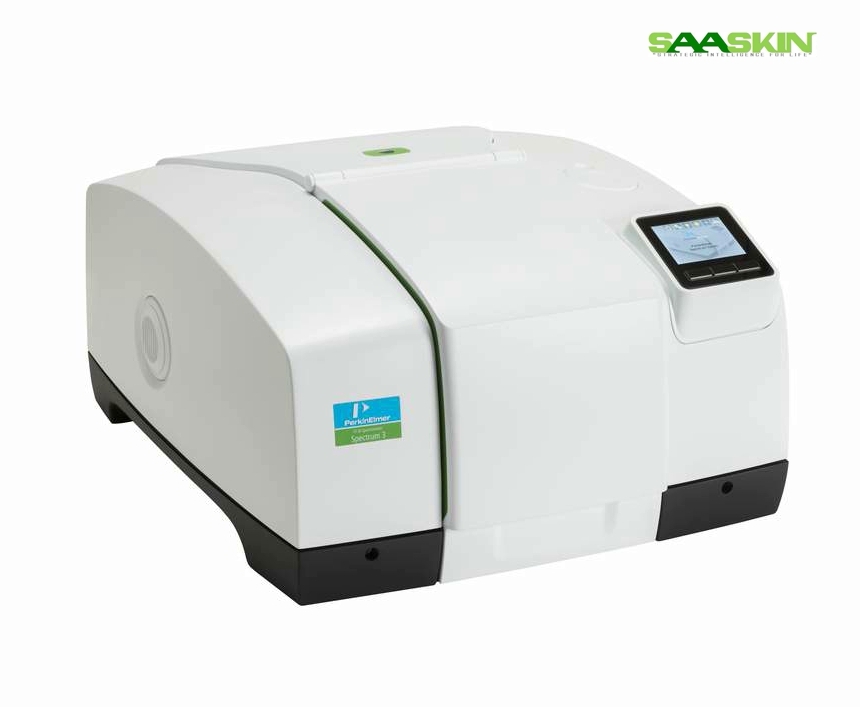
Model Spectrum 3
Capacity 8,300 - 30 cm-1
CAT No L1280140
Application Spectroscopy
From routine identification and verification to advanced research applications, you need the performance and flexibility to quickly, confidently, and cost effectively analyze a wide range of samples. The PerkinElmer Spectrum 3 FT-IR spectrometer provides the sampling flexibility and performance in mid, near, and far infrared ranges through a single instrument to advance research and new product development in academia, chemicals, polymers, and pharmaceuticals. The highly configurable platform provides dependable, consistent, and trouble-free operation through years of service.
Advanced Dual-Range PerformanceThe Spectrum 3 MIR/FIR offers remarkable flexibility with the ability to seamlessly switch between mid-infrared (MIR) and far-infrared (FIR) measurements. This dual-range capability enables comprehensive analysis of a wide spectrum of materials, delivering precise results for both routine and complex applications in research and industry.
Rapid, High-Resolution ResultsAchieve highly detailed spectral data with a resolution better than 0.5 cm1 and scan speeds of up to 100 scans per second. Whether analyzing polymers, pharmaceuticals, or unknown substances, the Spectrum 3 ensures rapid throughput without compromising accuracy or sensitivity.
Ease of Use and ComplianceUser-friendly Spectrum 10 FTIR software, Windows compatibility, and a digital display streamline operation, while automated performance validation and real-time atmospheric correction maintain data integrity. The system complies with 21 CFR Part 11, CE, and RoHS, supporting rigorous quality and regulatory requirements.
FAQ's of PerkinElmer Spectrum 3 Dual-Range MIR/FIR Spectrometer:
Q: How does the dual-range MIR/FIR capability benefit laboratory analyses?
A: The dual-range MIR/FIR design allows analysts to cover a broader frequency spectrum (MIR: 7800-350 cm1, FIR: 1000-30 cm1) within a single instrument. This enhances material identification and research flexibility, eliminating the need for separate instruments and reducing workflow complexity.
Q: What types of samples can be analyzed with the Spectrum 3 spectrometer?
A: The spectrometer is compatible with solid, liquid, gas, and thin-film samples, accommodating a wide variety of research, industrial, and quality control needs. Its versatile accessories and robust sample measurement capabilities support diverse applications.
Q: When should the purge facility be used during FTIR analysis?
A: The integrated dry air purge facility is recommended when working in environments with high moisture or CO2 levels, as it minimizes atmospheric interference in sensitive spectral regions. Using the purge ensures cleaner, more accurate spectral data.
Q: Where can the Spectrum 3 be implemented for maximum impact?
A: The Spectrum 3 is ideal for implementation in academic research labs, industrial quality control settings, and R&D environments. Its compliance with regulatory standards (21 CFR Part 11, CE, RoHS) also makes it suitable for regulated industries like pharmaceuticals and chemical manufacturing.
Q: What is the process for real-time atmospheric compensation?
A: The instrument uses built-in real-time algorithms to automatically subtract atmospheric water vapor and CO2 contributions from collected spectra. This feature enhances data clarity and reduces the need for intensive post-processing corrections.
Q: How does the system ensure long-term measurement accuracy and stability?
A: Automatic performance validation routines, internal He-Ne laser referencing, and gold-coated optical components help maintain instrument accuracy. Regular validation checks ensure that the Spectrum 3 consistently meets high analytical standards over time.
Q: What are the main usage benefits of the Spectrum 3 for high-throughput environments?
A: With rapid scan speeds, automated software control, and robust hardware, the Spectrum 3 maximizes throughput while minimizing downtime. Its reliable operation and flexible sample compatibility provide efficient, high-quality results for both routine and complex analyses.










 Accepts only Export inquiries



 Send Inquiry