Product Description
Brand Eppendorf
Model MP8
Capacity OD600
CAT No. 76DGOD4
Application Bioprocess
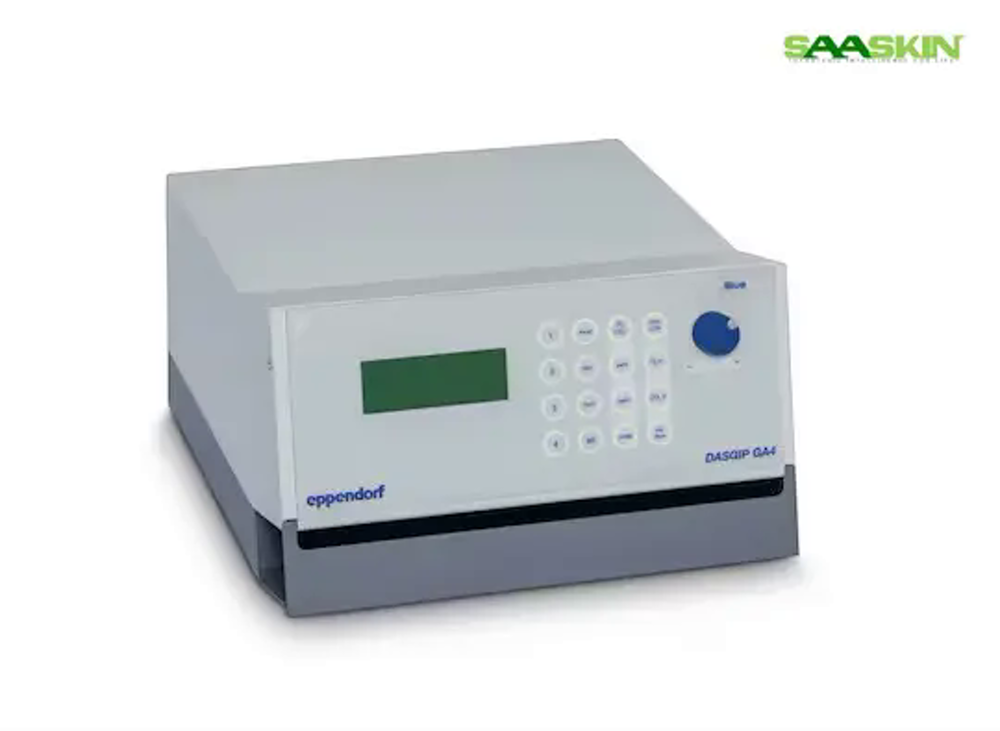
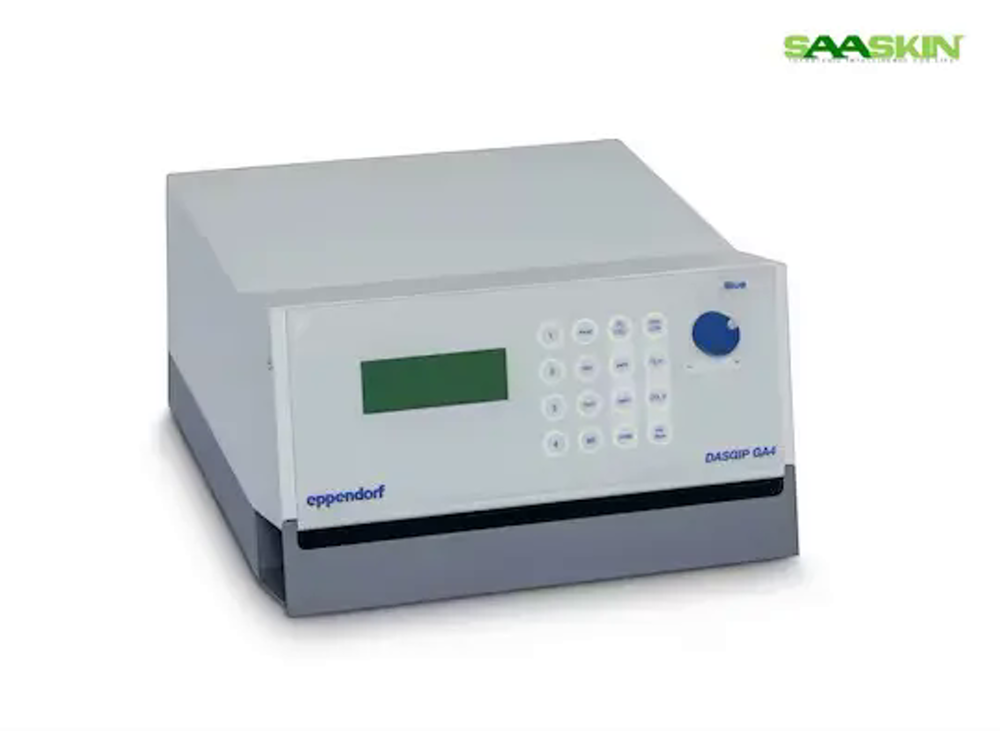
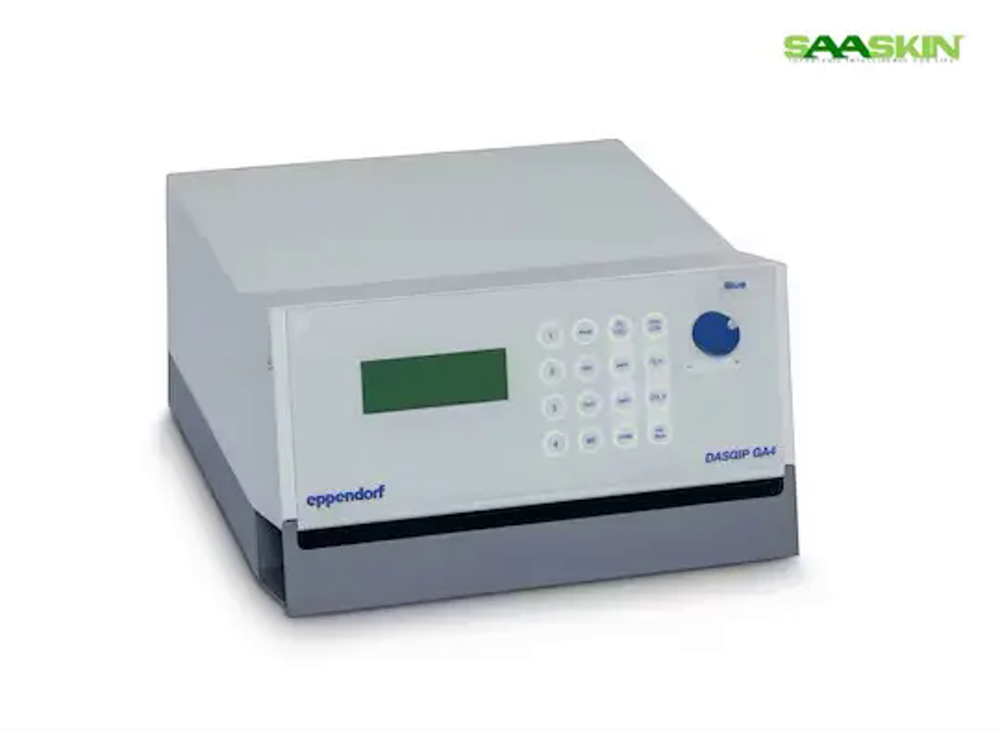
The DASGIP OD4 monitoring module is suitable for applications in cell culture and microbiology enabling parallel optical absorbance measurement in 4 bioreactors. Integrated correlations to offline parameters such as OD600 or cell dry weight (CDW) provide online cell growth information. The DASGIP OD4 module can be operated as a stand-alone module or be integrated into legacy control systems and historians.
Enhanced Bioprocess MonitoringWith advanced optical density measurement features, the Eppendorf DASGIP OD4 Monitoring Module enables accurate, real-time monitoring of cell growth and biomass in bioreactors. Supporting multi-wavelength measurements, it can accommodate a variety of applications, from fermentation to cell culture, with minimal manual intervention. The automated system ensures reliable long-term operation.
User-Friendly Calibration and IntegrationBoth automatic and manual calibration routines ensure optimal accuracy and convenience. The OD4 is seamlessly compatible with DASGIP Parallel Bioreactor Systems, allowing for straightforward integration and digital data output. Sterilizable in situ sensors facilitate safe and hygienic operation, essential for reproducible results in laboratory and industrial contexts.
FAQ's of Eppendorf DASGIP OD4 Monitoring Module for Optical Density Measurement:
Q: How does the DASGIP OD4 module measure optical density in bioreactors?
A: The module uses in situ immersion optical probes to directly monitor optical density within your bioreactor. By measuring light absorbance at up to four selectable wavelengths, it provides real-time, continuous data for process optimization.
Q: What benefits does multi-wavelength measurement offer for bioprocess applications?
A: Multi-wavelength measurement allows simultaneous detection of various biological components or growth phases. This flexibility enhances the monitoring of complex cultures and supports more comprehensive process analysis and control.
Q: When should the DASGIP OD4 Monitoring Module be calibrated, and what are the available calibration methods?
A: Calibration should occur before critical experiments or after sensor replacement. The OD4 supports both automated and manual calibration routines, ensuring accurate measurements across all applications.
Q: Where can the DASGIP OD4 be used, and what applications is it suitable for?
A: The OD4 is compatible with DASGIP Parallel Bioreactor Systems and is ideal for laboratories and pilot plants engaged in cell culture, fermentation, or other bioprocess monitoring requiring continuous OD measurement.
Q: What is the process for setting up the DASGIP OD4 module for parallel OD measurement?
A: Simply connect the included optical density sensors and cables to the module and integrate the module into your DASGIP Parallel Bioreactor System. Operation is PC-controlled, and the system supports up to four parallel channels, enabling efficient batch comparison.
Q: How does the OD4 module maintain measurement reliability during microbial and cell culture applications?
A: The OD4 employs sterilizable sensors and supports operation within a temperature range of 5-40C, ensuring reliable and contamination-free measurements in demanding environments.
Q: What are the key usage advantages of the DASGIP OD4 Monitoring Module?
A: Key advantages include automated, precise OD monitoring, seamless system integration, the ability to measure at multiple wavelengths, digital data output, and easy calibration, all of which support efficient, scalable, and compliant bioprocess workflows.











 Accepts only Export inquiries



 Send Inquiry